Unveiling the RDS Series Autoclaves

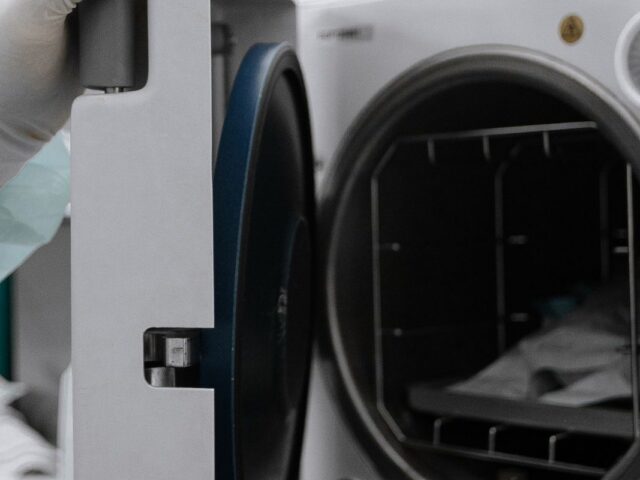
Sterilization is a critical process in medical and laboratory environments, and the RDS Series Autoclaves excel in providing reliable and efficient sterilization. These autoclaves are available in both single door and pass-through (double door) models, catering to different operational needs.

Advanced Features

The RDS Series offers robust features designed to ensure thorough sterilization and user convenience:

  • Single Door and Pass Through Models: The single door model is perfect for settings where space is a concern, while the pass-through model offers an added layer of safety and efficiency by allowing materials to enter from one side and exit sterilized from the other.
  • High-Efficiency Sterilization: Both models are equipped with a high-efficiency vacuum system that guarantees thorough sterilization. The ultimate vacuum reaches above -90kPa, ensuring excellent drying effects and minimizing contamination risks.
  • User-Friendly Operation: The autoclaves feature an advanced control system with an easy-to-read LCD screen displaying essential information such as temperature, pressure, and sterilization cycle status. This makes monitoring and controlling the sterilization process straightforward and efficient.
  • Multiple Safety Features: Safety is paramount with features like over-temperature automatic protection, door safety interlock, double over-pressure protection, and electronic circuit safety devices, ensuring safe and reliable operation.
  • Versatile Applications: The RDS Series is suitable for sterilizing a wide range of materials, including medical instruments, laboratory vessels, culture media, and items that may come into contact with blood or body fluids. The pass-through model is especially useful in high-traffic environments, such as hospitals and research labs, where preventing cross-contamination is crucial.

Quality Assurance

Quality is at the heart of the RDS Series. Constructed using the highest-quality materials, such as LDX2101 stainless steel for the chamber & Jacket, these autoclaves are built to last.

Conclusion

The RDS Series Single Door and Pass Through Autoclave Sterilizers are designed to meet the highest standards of sterilization in medical and laboratory settings. With their advanced features, safety measures, and versatile applications, these autoclaves are an excellent choice for ensuring a sterile and safe environment. Explore the RDS Series and elevate your sterilization processes to the next level.

RDS Series Single Door Autoclaves

RDS Series Pass-through Double Door Autoclave

Plasma Sterilization: A Comprehensive Overview

Introduction

Plasma sterilization is an advanced method used to sterilize medical instruments and devices. This technique leverages the unique properties of plasma, often referred to as the fourth state of matter, to effectively eliminate microorganisms. Plasma sterilization is particularly valued for its ability to sterilize heat-sensitive materials without leaving toxic residues.

What is Plasma?

Plasma is an ionized gas composed of ions, electrons, and neutral particles. It is created by applying energy to a gas, which causes the gas molecules to become excited and ionize. This state of matter is highly reactive and can generate various reactive species, such as free radicals, which are crucial for the sterilization process.

Mechanism of Action

The sterilization process typically involves the following steps:

  1. Preparation: The items to be sterilized are placed in a sterilization chamber.
  2. Vacuum Creation: The chamber is evacuated to create a deep vacuum.
  3. Gas Introduction: A sterilant gas, commonly hydrogen peroxide, is introduced into the chamber.
  4. Plasma Generation: An electric field is applied to ionize the gas, creating plasma. This plasma generates reactive species, including free radicals like hydroxyl and hydroperoxyl radicals.
  5. Sterilization: The reactive species interact with and disrupt the essential cell components of microorganisms, such as enzymes and nucleic acids, leading to their inactivation.
  6. Ventilation: The chamber is vented, and the by-products, typically water vapor and oxygen, are safely removed.

Advantages of Plasma Sterilization

  1. Low Temperature: Plasma sterilization operates at low temperatures (typically between 37-44°C), making it suitable for heat-sensitive instruments.
  2. Rapid Process: The entire sterilization cycle can be completed in about 75 minutes, with newer systems reducing this time to around 52 minutes.
  3. Non-Toxic Residues: The by-products of the sterilization process are non-toxic, eliminating the need for aeration and allowing immediate use or storage of sterilized items.
  4. Effective Microbial Inactivation: Plasma sterilization is highly effective against a wide range of microorganisms, including bacteria, viruses, and spores.

Applications

Plasma sterilization is widely used in healthcare settings for sterilizing medical and surgical instruments, especially those that are sensitive to heat and moisture. It is also employed in the sterilization of dental instruments and certain laboratory equipment.

Challenges and Considerations

  1. Material Compatibility: Not all materials are compatible with plasma sterilization. Items with certain types of plastics or those containing cellulose may not be suitable.
  2. Cost: The initial setup and operational costs of plasma sterilization systems can be higher compared to traditional methods.
  3. Moisture Sensitivity: The presence of moisture can interfere with the vacuum process, potentially aborting the sterilization cycle.

Plasma sterilization represents a significant advancement in the field of medical sterilization, offering a safe, efficient, and environmentally friendly alternative to traditional methods. Its ability to sterilize heat-sensitive instruments without leaving toxic residues makes it an invaluable tool in modern healthcare.

RDS Series Flash Autoclave for high-speed sterilization in operating theatres

What are Flash Autoclaves used for?

Flash autoclaves are an essential piece of equipment in various industries, including healthcare, pharmaceuticals, and research. Flash autoclaves use high-pressure steam to sterilize equipment and materials in a short amount of time. They are commonly used to sterilize medical instruments, laboratory equipment, and pharmaceutical products. In this article, we will explore what flash autoclaves are used for and how they work.

What is a Flash Autoclave? A flash autoclave is a type of sterilization equipment that uses high-pressure steam to sterilize equipment and materials. Unlike traditional autoclaves, which can take hours to complete a sterilization cycle, flash autoclaves are designed to operate quickly. The typical sterilization cycle for a flash autoclave is only a few minutes, making it a valuable tool in industries where time is of the essence.

What are Flash Autoclaves Used For? Flash autoclaves are primarily used for the sterilization of medical instruments, laboratory equipment, and pharmaceutical products. In healthcare settings, flash autoclaves are commonly used to sterilize surgical instruments, such as scalpels, forceps, and clamps. These instruments must be sterilized to prevent the spread of infections during surgery. Flash autoclaves are also used to sterilize laboratory equipment, such as pipettes, petri dishes, and test tubes. Sterilization of laboratory equipment is crucial to prevent contamination of experiments and to ensure accurate results.

Pharmaceutical companies also use flash autoclaves to sterilize their products. Flash autoclaves are commonly used to sterilize vials, ampoules, and other containers used for the storage and transportation of pharmaceutical products. Sterilization is essential to prevent contamination of these products and to ensure their safety and efficacy.

How do Flash Autoclaves Work? Flash autoclaves work by using high-pressure steam to sterilize equipment and materials. The process begins by loading the equipment or materials into the autoclave chamber. The chamber is then sealed, and steam is pumped into the chamber. The temperature and pressure of the steam are carefully controlled to ensure effective sterilization while minimizing the risk of damage to the equipment or materials.

During the sterilization process, the high-pressure steam penetrates the equipment or materials, killing any microorganisms that may be present. Once the sterilization cycle is complete, the steam is rapidly removed from the chamber, and the equipment or materials are cooled down. The sterilization cycle for a flash autoclave typically takes only a few minutes, making it a valuable tool in industries where time is of the essence.

In conclusion, flash autoclaves are an essential piece of equipment in various industries, including healthcare, pharmaceuticals, and research. They are designed to operate quickly, with a typical sterilization cycle taking only a few minutes. Flash autoclaves are used to sterilize medical instruments, laboratory equipment, and pharmaceutical products, ensuring their safety and efficacy. The high-pressure steam used in the sterilization process is carefully controlled to ensure effective sterilization while minimizing the risk of damage to the equipment or materials.

How do Autoclave Sterilizers work?

Autoclave steam sterilizers are equipment used in the medical industry to sterilize surgical instruments and other medical devices. It is a type of autoclave that uses steam under pressure to kill any microbes on the device.

The process starts with the instrument or device being placed in a sealed chamber. This chamber is then filled with steam and heated to a temperature of 121 degrees Celsius for at least 15 minutes. The high temperature kills all microbes on the instrument or device, including bacteria, viruses and fungi.

Steam sterilization can be done manually or it can be automated with an autoclave machine which will do all the work for you.

Autoclaves are sterilizing devices that use steam pressure. They can be classified into two groups:

1) Air-autoclaves: They use a vacuum to remove air from the chamber. They are not as effective as other types of autoclaves but they are cheaper and easier to manufacture.

2) Water-autoclaves: These autoclaves use water to create steam pressure. They are more effective and reliable than air-autoclaves, but they require more resources and time to operate.

The first type of autoclave is called an air-autoclave because it uses a vacuum to remove all the air from inside the chamber. The second type is called a water-autoclave because it uses water to create steam pressure in order to sterilize items within the chamber. Air-autoclavies are cheaper and easier to manufacture, but they do not work as well as water-autoclavies do.

The autoclave has been around for over 100 years and is still one of the most important pieces of equipment in any hospital today.