
ASCO Solenoid Valves in Autoclaves and Steam Equipment
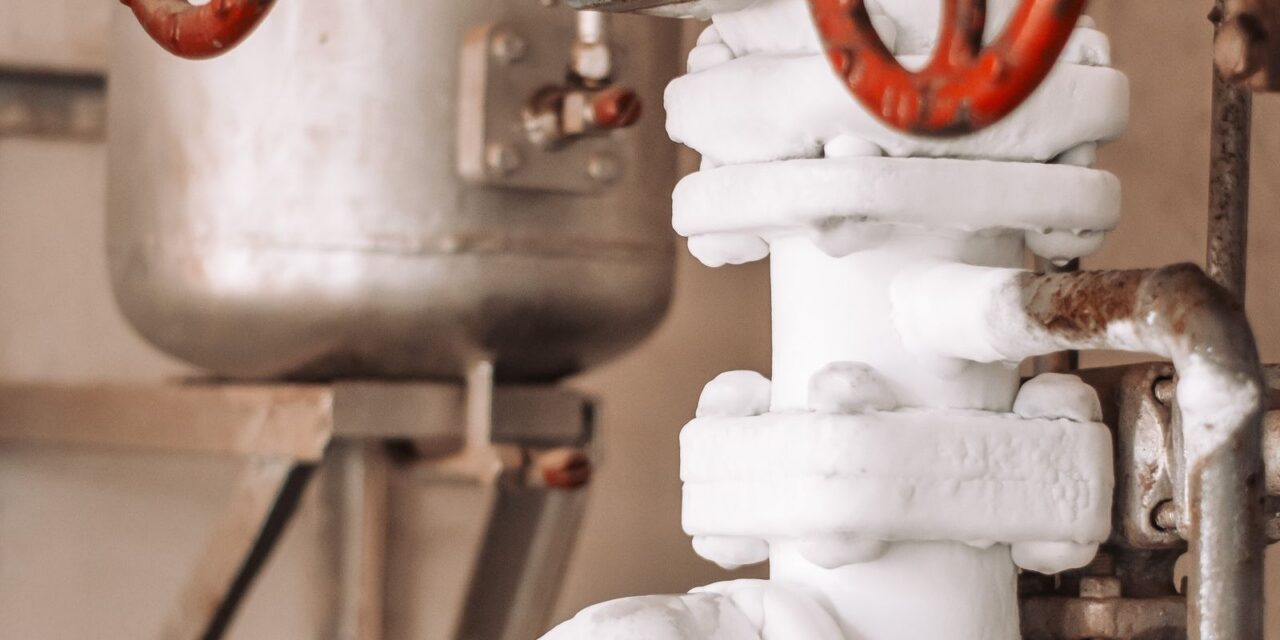
An autoclave is a plumbing diagram with a controller attached. Steam in, water in, air in, drain out, door sealed and unsealed: every one of those movements happens through a valve, and most of those valves are solenoid valves, meaning electrically switched valves that open and close on a control signal. When one fails, the cycle does not sterilize badly. It aborts, or refuses to pressurize, or leaks into the drain overnight. That is why the humble ASCO solenoid valve earns its place in a sterilizer spares cupboard, and why we stock them as a line item rather than an afterthought.
Key takeaways
- A solenoid valve is an electrically actuated on/off valve. In a sterilizer it controls steam supply, water feed, air supply and the drain.
- Normally closed valves fail shut when power is lost, which is the safe default for steam and drain lines; normally open variants exist, so check the code.
- Steam duty is the hard part: heat, condensate and thousands of actuations. ASCO’s steam and hot-water series are cycle-tested to a million cycles on hot water and 500,000 on 125 psi steam.
- Series matter. The 210/8210 general-service range and the 220 steam range are two-way valves; the 327 is a three-way pilot valve for air, gas and water, not a steam valve.
- We hold common ASCO codes in stock in South Africa, PTFE-sealed and rated for steam temperatures up to 177 degrees, with nationwide delivery.
What a solenoid valve does in a sterilizer
Take a standard steam cycle. The controller opens the steam inlet valve to bring the chamber to pressure, then closes it to hold. It opens a water feed for the generator or the vacuum system. It switches the vacuum pump to pull air out before sterilization and again during drying. At the end it opens the drain to release condensate and pressure, and it may vent through a filtered air line. Each of those steps is a valve moving, often several times per cycle.
Across a hospital day that is a lot of actuations. A department running eight cycles is asking each valve to fire dozens of times daily, and a machine with a service life of fifteen years is asking for hundreds of thousands of clean opens and closes. Cycle life is therefore not a marketing number on a valve datasheet; it is the difference between a machine that visits service once a year and one that visits monthly.
Why ASCO shows up in sterilizer duty
ASCO, now part of Emerson, is a long-standing solenoid valve brand used across process industries, and its valves appear in sterilizer and steam equipment because the ratings line up with the duty:
- Heat tolerance. The units we stock use PTFE seals and stainless steel components, and are rated for steam temperatures up to 177 degrees, comfortably beyond the 134 degrees a chamber sees.
- Proven cycle life. ASCO’s steam and hot-water range (series 220) is tested to a million cycles on hot water at 50 psi and 500,000 cycles on 125 psi steam.
- Fail-safe behaviour. Two-way normally closed valves close on power loss, so a power cut leaves steam and drain lines shut rather than open. That default is worth confirming per code, since normally open versions exist in the same families.
- Serviceability. Steam-series valves are built with a threaded bonnet that comes off for inspection and seat service, so a valve can be rebuilt rather than scrapped.
- Compact size. Solenoid valves are small enough to package tightly inside a sterilizer cabinet, which matters when the machine already has to fit a chamber, generator, pump and control panel.
Choosing the right series and code
The catalogue is broad, so the discipline is to match the code to the duty rather than the other way round. Three families cover most sterilizer work:
Series 210 / 8210: general service
Two-way valves for general media, with brass or stainless bodies and normally closed or normally open configurations, across a wide voltage range. This is the everyday workhorse for water, air and non-extreme media lines inside the machine.
Series 220: steam and hot water
The steam specialist, listed specifically for steam and hot water service with the cycle-life testing to match. When the line carries steam, this is the family to specify.
Series 327: three-way pilot duty
Worth knowing about precisely because it is often misread. The 327 is a three-way direct-acting valve for pilot applications, with listed media of air, inert gas, light oil and water. It is not a steam valve, and its presence in a spare list does not make it one.
Voltage, body material, seal material and orifice size all follow from the machine’s schematic. The codes we hold cover the common sterilizer configurations, including SCE222A049, SCE222B094, SCXE220A003, SCXE220A005, SCE210D002, SCE210C094, SCE267B013 and SCHTXB320A184, all listed in our Emerson ASCO range under autoclave spares.
How a failing valve announces itself
Valve failures rarely arrive as a dramatic fault. They show up as behaviour the department learns to work around, which is exactly the moment to intervene:
- The chamber will not reach pressure. Steam inlet passing open or leaking can prevent the chamber holding setpoint; a valve that sticks closed shows as no pressure rise at all.
- Cycle aborts on vacuum. If the machine cannot pull and hold vacuum, look at the vacuum and vent valves before blaming the pump.
- Water in the drain, overnight. A drain valve that does not seat fully drips continuously and can leave a wet floor by morning.
- A hot or buzzing coil. A burnt-out coil gives no actuation at all; a coil that runs hot is on its way there.
- Failure after a quiet period. Long dormancy is its own risk: seals can take a set and seats can corrode, so a machine restarted after a shutdown deserves a valve check before its first production week.
Most of these are fixable in a service visit when the spares are on the shelf. That is the practical argument for stocking a small valve kit per machine: the part costs a fraction of a cancelled theatre list, and lead times on imported components are the variable a department cannot control during an outage.
We supply ASCO valves and the rest of the autoclave spares line across South Africa, with 24-hour standby breakdown support from our own technicians. Want the common codes for your machines held on account? Request a quote. A sales consultant replies within one business day, and we can advise which valves belong in the kit for your specific sterilizer models.
Cover photo: Arshan Ali on Pexels.
Frequently asked questions
What does a solenoid valve do in an autoclave?
It is the electrically switched valve that routes the machine's utilities: steam into the chamber, water to the generator or vacuum system, air for venting, and condensate out through the drain. Every stage of the cycle moves at least one solenoid valve.
What is a normally closed solenoid valve?
A normally closed valve shuts when it is not energised, so a power loss leaves the line closed. On steam and drain lines that is the safe default. Normally open versions exist in the same ASCO families, so check the code on the machine's schematic.
Which ASCO series are suitable for steam?
The series 220 range is listed for steam and hot water service, cycle-tested to a million cycles on hot water and 500,000 on 125 psi steam. The series 327 is a three-way pilot valve for air, gas and water, and is not a steam valve.
How long do ASCO valves last in sterilizer duty?
It depends on duty cycle, media and maintenance, but steam-series valves are tested to hundreds of thousands of cycles, which equates to years of normal hospital use. Long dormancy is its own risk, so machines restarted after a shutdown deserve a valve check.
Do you stock ASCO solenoid valves in South Africa?
Yes. We hold common codes including SCE222A049, SCXE220A003, SCE210D002 and SCHTXB320A184 in stock, PTFE-sealed and rated for steam temperatures up to 177 degrees, with nationwide delivery and 24-hour standby support.