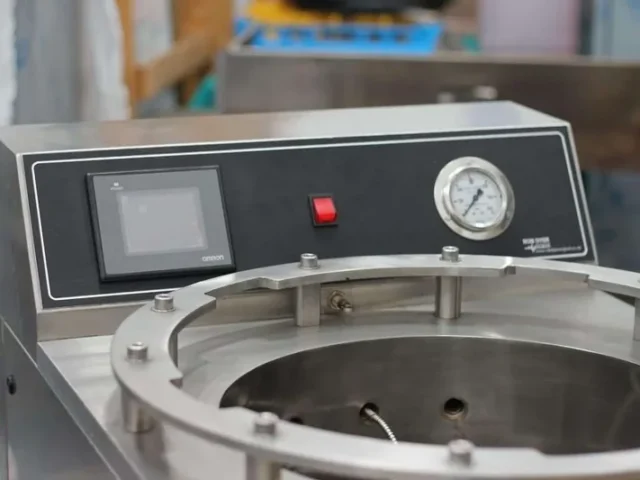
RDS Series Flash Autoclave for high-speed sterilization in operating theatres

What are Flash Autoclaves used for?

Flash autoclaves are an essential piece of equipment in various industries, including healthcare, pharmaceuticals, and research. Flash autoclaves use high-pressure steam to sterilize equipment and materials in a short amount of time. They are commonly used to sterilize medical instruments, laboratory equipment, and pharmaceutical products. In this article, we will explore what flash autoclaves are used for and how they work.

What is a Flash Autoclave? A flash autoclave is a type of sterilization equipment that uses high-pressure steam to sterilize equipment and materials. Unlike traditional autoclaves, which can take hours to complete a sterilization cycle, flash autoclaves are designed to operate quickly. The typical sterilization cycle for a flash autoclave is only a few minutes, making it a valuable tool in industries where time is of the essence.

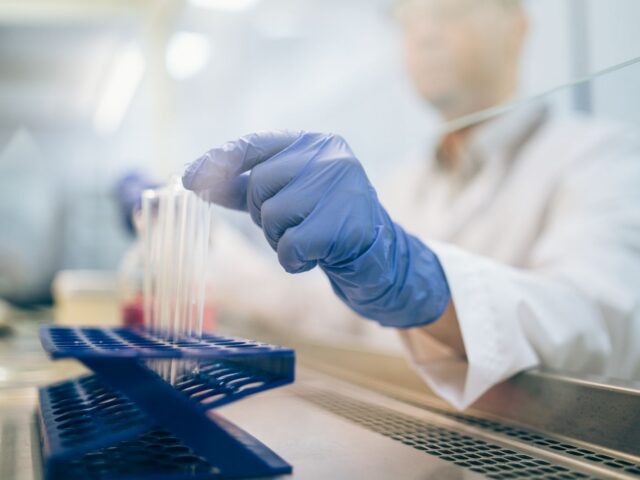
What are Flash Autoclaves Used For? Flash autoclaves are primarily used for the sterilization of medical instruments, laboratory equipment, and pharmaceutical products. In healthcare settings, flash autoclaves are commonly used to sterilize surgical instruments, such as scalpels, forceps, and clamps. These instruments must be sterilized to prevent the spread of infections during surgery. Flash autoclaves are also used to sterilize laboratory equipment, such as pipettes, petri dishes, and test tubes. Sterilization of laboratory equipment is crucial to prevent contamination of experiments and to ensure accurate results.

Pharmaceutical companies also use flash autoclaves to sterilize their products. Flash autoclaves are commonly used to sterilize vials, ampoules, and other containers used for the storage and transportation of pharmaceutical products. Sterilization is essential to prevent contamination of these products and to ensure their safety and efficacy.

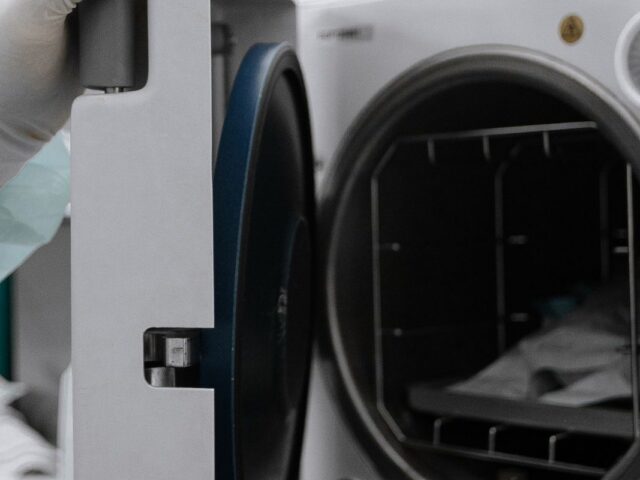
How do Flash Autoclaves Work? Flash autoclaves work by using high-pressure steam to sterilize equipment and materials. The process begins by loading the equipment or materials into the autoclave chamber. The chamber is then sealed, and steam is pumped into the chamber. The temperature and pressure of the steam are carefully controlled to ensure effective sterilization while minimizing the risk of damage to the equipment or materials.

During the sterilization process, the high-pressure steam penetrates the equipment or materials, killing any microorganisms that may be present. Once the sterilization cycle is complete, the steam is rapidly removed from the chamber, and the equipment or materials are cooled down. The sterilization cycle for a flash autoclave typically takes only a few minutes, making it a valuable tool in industries where time is of the essence.

In conclusion, flash autoclaves are an essential piece of equipment in various industries, including healthcare, pharmaceuticals, and research. They are designed to operate quickly, with a typical sterilization cycle taking only a few minutes. Flash autoclaves are used to sterilize medical instruments, laboratory equipment, and pharmaceutical products, ensuring their safety and efficacy. The high-pressure steam used in the sterilization process is carefully controlled to ensure effective sterilization while minimizing the risk of damage to the equipment or materials.

How do Autoclave Sterilizers work?

Autoclave steam sterilizers are equipment used in the medical industry to sterilize surgical instruments and other medical devices. It is a type of autoclave that uses steam under pressure to kill any microbes on the device.

The process starts with the instrument or device being placed in a sealed chamber. This chamber is then filled with steam and heated to a temperature of 121 degrees Celsius for at least 15 minutes. The high temperature kills all microbes on the instrument or device, including bacteria, viruses and fungi.

Steam sterilization can be done manually or it can be automated with an autoclave machine which will do all the work for you.

Autoclaves are sterilizing devices that use steam pressure. They can be classified into two groups:

1) Air-autoclaves: They use a vacuum to remove air from the chamber. They are not as effective as other types of autoclaves but they are cheaper and easier to manufacture.

2) Water-autoclaves: These autoclaves use water to create steam pressure. They are more effective and reliable than air-autoclaves, but they require more resources and time to operate.

The first type of autoclave is called an air-autoclave because it uses a vacuum to remove all the air from inside the chamber. The second type is called a water-autoclave because it uses water to create steam pressure in order to sterilize items within the chamber. Air-autoclavies are cheaper and easier to manufacture, but they do not work as well as water-autoclavies do.

The autoclave has been around for over 100 years and is still one of the most important pieces of equipment in any hospital today.