
What Is a Sluice Room? Equipment, Workflow and Infection Control
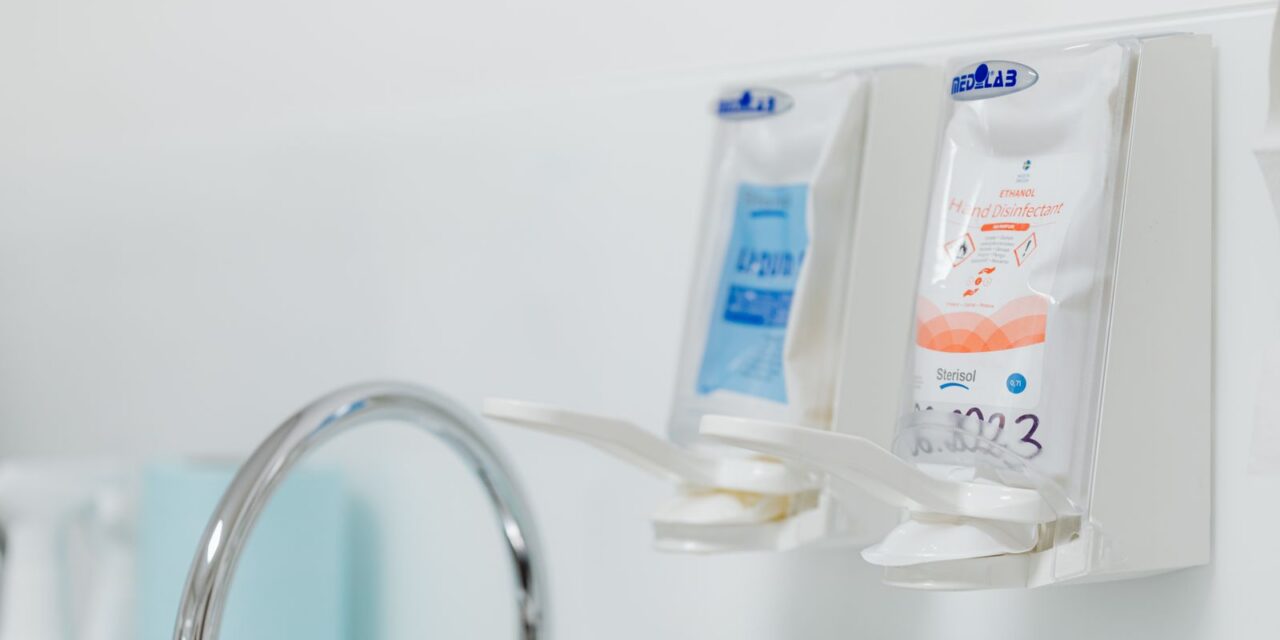
A sluice room is the small room on a ward where soiled items go to be dealt with. Used bedpans, urine bottles, drainage bags and human waste arrive from the patient areas, and leaves the room either clean and ready to use again or disposed of. Hospitals also call it the dirty utility room. It is not a storeroom with a sink: it is a working link in the infection-control chain, and the equipment in it decides how reliably that link holds.
Key takeaways
- A sluice room, or dirty utility room, handles human waste and soiled care utensils on every ward, every shift, which is why its equipment has to be rated for continuous duty.
- A sluice unit is a flushing hopper for pouring liquid waste to drain. It is not the same thing as a bedpan washer-disinfector, and not the same thing as a macerator.
- Wards normally run three disposal routes: pour liquid waste to the hopper, thermal-disinfect reusable utensils in a washer-disinfector, and macerate single-use pulp products.
- Layout flows dirty to clean, with handwashing where staff actually reach it, smooth cleanable surfaces and proper ventilation.
- MEIKO TOPIC equipment covers the whole room: wall-mounted washer-disinfectors with about 20 cm of floor clearance, combined sluice units with a slop sink without a flushing rim, and A0-controlled disinfection to DIN EN ISO 15883.
What the sluice room is responsible for
Every patient generates soiled items, and those items carry real risk. Bedpans and urine bottles contain bodily fluids, drainage bags hold infected urine, and cloths and dressings can be contaminated with anything a ward treats. Sending that load down the nearest corridor to a clean utility room is not an option, so each ward gets its own room, close to the patient areas, built and equipped to contain what passes through it.
The job splits in two. Liquid waste and single-use items are disposed of. Reusable items are cleaned, thermally disinfected and returned to service, or sent on to the central sterile services department for sterilization if they are devices rather than care utensils. How a given ward does that depends on what it uses: reusable metal bedpans, disposable pulp bedpans, or both.
The three machines and what each one is for
Bedpan washer-disinfector
This is the workhorse. Bedpans, urine bottles, bowls and kidney dishes are loaded into a chamber, and a validated cycle washes them with detergent and then thermal-disinfects them at a controlled temperature and hold time. Unlike a domestic dishwasher, the cycle is governed by a controller that logs or verifies the disinfection parameters, because the result has to be defensible to an infection-control audit.
Sluice unit, also called a sluice sink or slop hopper
A sluice unit is a dedicated flushing bowl, usually stainless steel, for pouring the contents of bedpans, vomit bowls and drainage bags to drain. It has a flush mechanism to clear the bowl after each pour, and it is the manual fallback for liquid waste that never touches a machine. Some versions combine the hopper with a worktop, drainage board or handwash basin in one stainless assembly.
Macerator
A macerator is for single-use pulp products. The pulp bedpan or bowl is placed inside, and the machine breaks it down and flushes it to drain, so the staff never handle the soiled item again. It processes disposables only. Putting reusable metal items in a macerator is a category error that damages the machine and voids the workflow.
Layout: the room has to flow
Good sluice rooms follow the same dirty-to-clean discipline as a CSSD, on a smaller scale. Soiled items arrive and are dealt with at one end, processed items leave clean from the other, and clean storage sits away from the disposal zone. Where the room is too small to separate zones properly, the fallback is a clean cupboard or shelving well away from the hopper, holding clean containers and supplies.
Three practical details decide how usable the room is. Handwashing has to sit at the point in the workflow where staff finish handling soiled items, or it will not get used. Surfaces should be smooth, flush and easy to wipe down, with as few joints and recesses as possible, because gaps collect soil and moisture. Ventilation has to keep up with the room’s load; the air-change rate belongs in the project’s own infection-control and building specifications rather than in a generic figure, because it varies with the facility and the applicable local guidance.
Disinfection and the standards behind it
Thermal disinfection in a washer-disinfector is not a matter of “hot enough”. The relevant equipment standard is ISO 15883, whose third part covers washer-disinfectors for human-waste containers and care utensils, and the current edition is ISO 15883-3:2024. Machines that meet it implement the A0 concept, a single value that combines temperature and time into one measure of the delivered lethality, and they prove it on every cycle.
The MEIKO TOPIC range implements A0 control to DIN EN ISO 15883, which is what an infection-control team asks to see during a tender evaluation. The cycle is short and individually adjustable, and the machines are built for the room’s reality: thermal and acoustic insulation so the ward is not disturbed, and a one-touch membrane keypad with symbols, so a healthcare assistant at 03:00 does not have to read a manual.
Fitting a sluice room into a small ward
Most South African wards are not short of patients and are rarely short of space either. The equipment answers that in two ways. The MEIKO TOPIC bedpan washer-disinfector range runs from the wall-mounted TOPIC 10, which leaves about 20 cm of clearance underneath so the floor can be cleaned properly, through floor-standing and table-top models for rooms that need work surface more than floor space.
Where a room has to do everything in one run of stainless steel, a combined sluice unit brings the pieces together: a bedpan washer-disinfector embedded in a unit with work surfaces, a slop sink and a handwash basin, with cupboard space added as needed. The MEIKO TOPIC combined sluice unit is built that way, and it can be extended later with more worktop, a larger sink or dedicated shelving for bedpans, urine bottles and kidney bowls. Combined care units and the full range live in our sluice room solutions category, with bedpan washer-disinfectors listed separately for departments that are upgrading one machine rather than the room.
Refitting a sluice room, or replacing a manual hopper with a proper washer-disinfector cycle? Request a quote. A sales consultant replies within one business day, and we supply and install MEIKO sluice equipment nationwide.
Cover photo: Karolina Grabowska (Kaboompics) on Pexels.
Frequently asked questions
What is a sluice room in a hospital?
A sluice room, also called a dirty utility room, is the ward room where soiled care items and human waste are handled. Liquid waste is poured away via a sluice unit, reusable utensils are washed and thermally disinfected in a bedpan washer-disinfector, and single-use pulp products are broken down in a macerator.
What is the difference between a sluice unit and a bedpan washer?
A sluice unit is a flushing hopper that takes liquid waste straight to drain by hand. A bedpan washer-disinfector is a machine that washes and thermally disinfects reusable bedpans and utensils in a validated cycle.
What is A0 in a bedpan washer-disinfector?
A0 is a single value that combines temperature and time to express how much thermal disinfection a load has received. Machines with A0 control to DIN EN ISO 15883 verify that value on every cycle.
How should a sluice room be laid out?
Along a dirty-to-clean path: soiled items dealt with at one end, clean storage and handwashing at the other, smooth cleanable surfaces throughout, and ventilation adequate for the room's workload.
Can a sluice room be fitted into a very small space?
Yes. Wall-mounted washer-disinfectors leave the floor underneath clear for cleaning, table-top models trade floor space for work surface, and combined sluice units integrate the washer, slop sink, handwash basin and storage into one run of stainless steel.