
What Is a Washer Disinfector? ISO 15883, A0 and Where It Fits in the CSSD
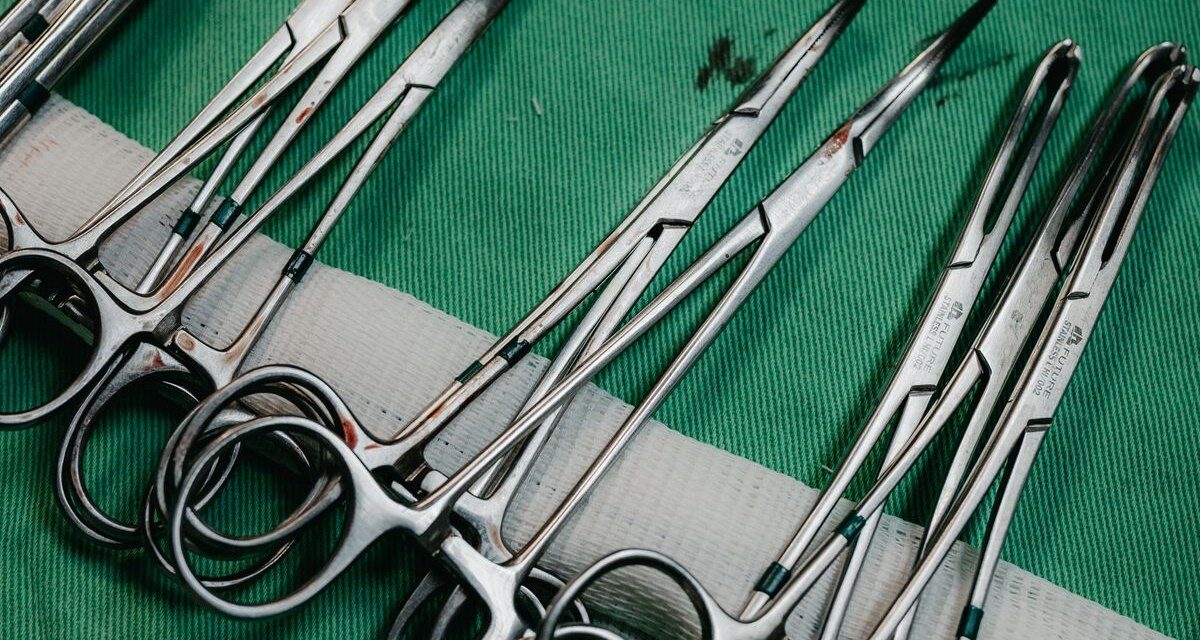
A washer disinfector is the machine that cleans and then thermally disinfects reusable items before they go any further in the reprocessing chain. It washes with detergent and circulating water, then holds the load at a controlled temperature for a calculated time, and it logs or verifies that the hold happened. In a CSSD it prepares instruments for inspection, packaging and the autoclave. On a ward it reprocesses bedpans and urine bottles in the sluice room. It is not a sterilizer, and it is not a dishwasher, even though the cycle structure looks familiar from a distance.
Key takeaways
- A washer disinfector automates cleaning and thermal disinfection. Sterilization is a separate process that happens later, for devices that need it.
- The standard is ISO 15883, in parts: general requirements, thermal disinfection of instruments, human-waste containers such as bedpans, endoscopes, and cleaning-efficacy test methods.
- The A0 value is the currency of thermal disinfection: equivalent seconds of exposure at 80 degrees, calculated across the whole hold, with A0 of 600 a common target for surgical instruments.
- Bedpan machines and instrument machines are different equipment for different loads, and neither should be assumed suitable for the other’s job.
- Validation is thermometric and documented, not a peak-temperature reading on a display, and a cleaning indicator is not proof of disinfection.
Two machines that share a name
In a ward sluice room, the utensil washer-disinfector handles bedpans, urine bottles, bowls and kidney dishes. The cycle empties and flushes the container, washes it with detergent, and thermal-disinfects it, and the output is a disinfected utensil ready to return to the ward. The sluice room as a whole usually runs three routes in parallel: liquid waste to the hopper, reusable utensils through the machine, and single-use pulp products to the macerator.
In the CSSD, the instrument washer-disinfector takes trays and instruments after use. Racks hold hinged instruments open and arrange trays so spray reaches every surface, and hollow or lumened devices connect to channels so the inside gets washed too. The output is a cleaned and disinfected device, ready for inspection and packaging, and for the sterilization cycle if the device requires sterilization. The two machines look different, load differently, and are certified against different parts of the standard: human waste containers under the utensil part, surgical instruments under the thermal-disinfection part.
The standard behind the machine
ISO 15883 is the family. Part 1 carries the general requirements and the methods for validation, routine control and monitoring, and for requalification through the machine’s service life. Part 2 covers washer-disinfectors using thermal disinfection for reusable critical and semi-critical devices, instruments included. Part 3 covers machines that empty, flush, wash and thermally disinfect human-waste containers such as bedpans in one cycle. Part 4 covers chemical disinfection of thermolabile endoscopes, which is a different process again. Part 5 sets the test methods and criteria for demonstrating cleaning efficacy, which matters because cleaning and disinfection are separate claims and both have to be shown. National and European adoptions carry their own edition dates, so a tender should name the editions it means.
A0, the number that defines the disinfection claim
Thermal disinfection is a deal between temperature and time, and A0 is how that deal is written down. It expresses the lethality of a moist-heat hold as the equivalent number of seconds at a reference temperature of 80 degrees, using a z-value of 10 kelvin for the calculation, and it sums the contribution of every moment of the hold rather than trusting a peak reading. The arithmetic gives two useful reference points: 80 degrees held for 600 seconds is an A0 of 600, and 90 degrees held for 60 seconds is also an A0 of 600. Hotter exposure buys the same lethality in less time.
An A0 of 600 is the commonly cited target for thermal disinfection of surgical instruments, and it appears in guidance and tender language widely. It is a common target rather than a universal law: the right value depends on the load, the device manufacturers’ instructions and the validated process for that machine and that department. What is not negotiable is that the value is calculated from a measured temperature history across the disinfection hold. A display showing the machine reached its setpoint proves nothing about whether every part of the load saw it, which is what thermometric validation measures with calibrated sensors at the worst-case locations.
Cycle structure, detergent and water
The stages follow a logic: a pre-wash to wet the load and lift loose soil, a main wash where circulating water and detergent do the work, rinse stages to carry soil and chemistry away, the thermal-disinfection hold where A0 accrues, and drying where the process and the load call for it. Drying needs differ between plastics and stainless steel, and the settings follow the validated programme rather than a default.
Detergent choice follows the soil, the device materials and the validated cycle. Neutral or near-neutral detergents with enzymes are common for instrument cleaning, alkaline cleaners also appear and can be corrosive to some materials, and the golden rule is that enzymatic detergent is a cleaner, not a disinfectant. Dosing has to be automatic and monitored, because an underdose silently fails the wash and an overdose leaves residue, and a tender that specifies the machine without specifying dose monitoring has specified half a process. Water quality matters at the final rinse especially, with hardness and chloride affecting spotting and corrosion, and the limits come from the machine and device instructions rather than one universal number.
Validation and routine monitoring
Validation is the documented demonstration that the machine does what it claims, on its real loads. It is thermometric, using calibrated measurement at chamber, carrier and representative load positions to capture the thermal profile at the greatest challenge point, and it demonstrates the required disinfection performance including the calculated A0 where the process specifies one. It is also cleaning-efficacy validation, using defined test soils and acceptance criteria for the intended load, because a perfectly disinfected instrument that comes out with soil on it has not been reprocessed.
Routine monitoring then keeps that claim alive. Cleaning indicators or process challenge devices plus visual inspection check the cleaning side. Cycle records check the process side: temperature and time traces, load identity, alarms, detergent status. A cleaning indicator is not an A0 monitor, and a peak-temperature glance is not a record. Requalification follows significant repair or change, on the schedule the standard and local policy set.
The mistakes infection control keeps seeing
Skipping cleaning and leaning on disinfection, when retained organic soil protects what is underneath it. Hand-washing as a default where an automated machine is available and appropriate, with all the technique dependence that implies. Using the bedpan machine for instruments, or the reverse. Treating the washer’s output as sterile, which it is not: the machine cleans and disinfects, and a device that needs sterility still goes to the autoclave afterwards. And specifying a generic washer-disinfector without matching the racks, chemistry, water and records to the actual devices the department processes.
The reprocessing chain the CSSD runs is point-of-use soil control, then the washer-disinfector, then inspection and preparation, packaging, sterilization where required, and release with traceability. RDS supplies the machines that fill the cleaning link: MEIKO TOPIC and TOPLINE bedpan washer-disinfectors for ward sluice rooms, MEIKO TopClean multi-washer appliances for higher-throughput utensil work, and AT-OS multi-stage instrument washer-disinfectors for the CSSD, all with A0-controlled disinfection to DIN EN ISO 15883. Department reprocessing its instruments by hand, or running a machine nobody has validated? Request a quote and we will talk through the load.
Cover photo: Jonathan Borba on Pexels.
Frequently asked questions
What is a washer disinfector used for in a hospital?
A washer disinfector cleans and then thermally disinfects reusable items before further processing. In a CSSD it washes and disinfects instrument trays ahead of inspection, packaging and sterilization. In a ward sluice room it empties, flushes, washes and disinfects bedpans and similar human-waste containers.
Is a washer disinfector the same as an autoclave?
No. A washer disinfector cleans with detergent and circulating water and then thermal-disinfects at a controlled temperature and time. An autoclave sterilizes using steam under pressure. Cleaning must happen before sterilization, because steam does not remove soil, so devices that require sterility pass through a washer disinfector and then an autoclave.
What does A0 600 mean?
A0 expresses thermal disinfection lethality as the equivalent exposure time in seconds at a reference temperature of 80 degrees, summed across the hold. An A0 of 600 equals 80 degrees for 600 seconds or 90 degrees for 60 seconds, among other equivalent schedules. It is the commonly cited target for surgical-instrument processing, calculated from a measured temperature history rather than a displayed peak.
What standard covers washer-disinfectors?
ISO 15883, in parts: Part 1 general requirements including validation and routine control, Part 2 thermal disinfection of reusable instruments, Part 3 machines for human-waste containers such as bedpans, Part 4 chemical disinfection of endoscopes, and Part 5 test methods for cleaning efficacy. Tender documents should name the applicable parts and editions.
How is a washer-disinfector validated?
Thermometric validation with calibrated sensors at the worst-case load locations demonstrates the required thermal profile and, where specified, the calculated A0. Cleaning-efficacy validation uses defined test soils and acceptance criteria for the intended loads. Routine monitoring then uses cleaning indicators or challenge devices, visual inspection and retained cycle records, with requalification after significant change or repair.