
CSSD Workflow: The Sterile Department, Zone by Zone
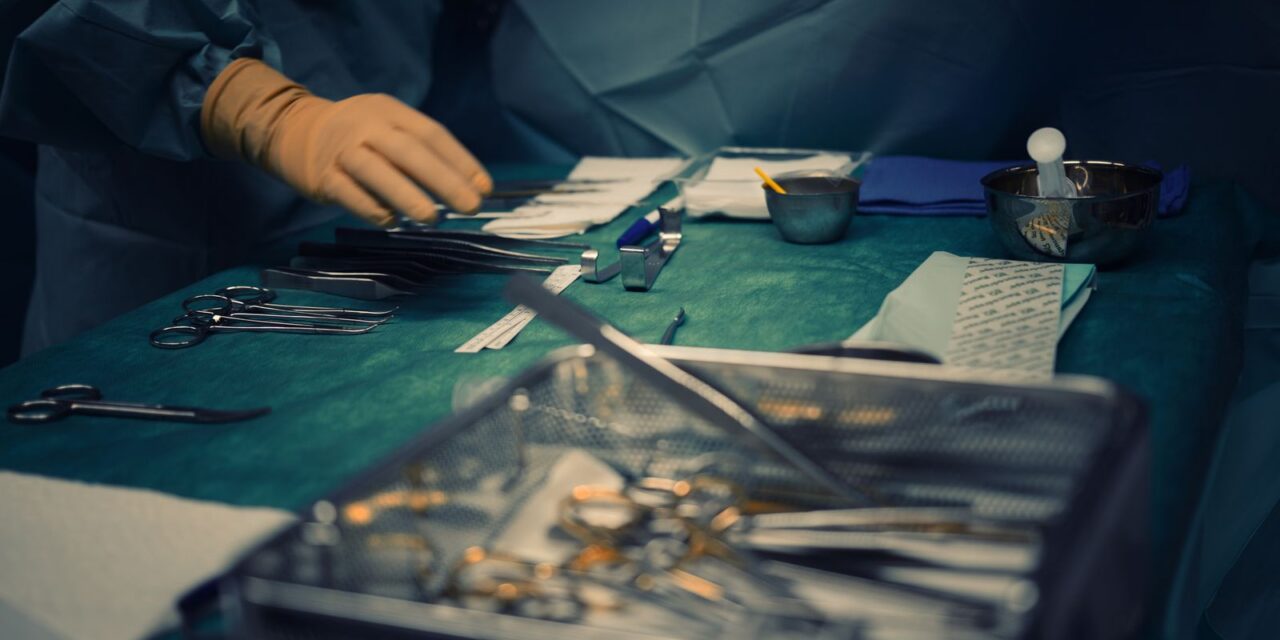
Every instrument that enters an operating theatre depends on one department doing its work invisibly well: the Central Sterile Services Department (CSSD). A well-designed CSSD follows a one-way workflow, from soiled to clean to sterile, and its floor plan, equipment and staff discipline all serve that single principle.
The one-way principle
The cardinal rule of CSSD design is that soiled items must never cross paths with sterile ones. Departments are therefore divided into zones separated by physical barriers, with items moving in one direction only:
- Receiving and decontamination: used instruments arrive, are sorted, and are loaded into washer-disinfectors. This is the dirtiest zone, kept under negative pressure relative to its neighbours.
- Preparation and packing: cleaned, disinfected instruments are inspected, assembled into trays and wrapped or containerised for sterilization.
- Sterilization: packed loads are sterilised in autoclaves, typically steam cycles at 121 °C or higher.
- Sterile storage: finished loads cool, dry and wait in a controlled, dust-free environment until dispatched.
- Distribution: sterile stock leaves the CSSD to theatres and wards on a controlled rotation.
The barrier principle: pass-through equipment
Zones are separated by more than paint. Pass-through (double-door) washer-disinfectors and autoclaves are built into the wall between two zones: soiled items go in on the dirty side, and only after a full validated cycle can staff open the clean side. The machine itself becomes the barrier, making cross-contamination a physical impossibility rather than a procedural hope. Rob Dyer Surgical’s flagship autoclave sterilizers include pass-through RDS Series models built for exactly this role, with a high-efficiency vacuum system reaching above -90 kPa for deep penetration and excellent drying.
The equipment behind each zone
- Decontamination: instrument washer-disinfectors, sluice room equipment for bedpans and human waste, see our sluice room solutions and bedpan washer-disinfectors.
- Packing: inspection benches, heat sealers and storage for wrapping materials.
- Sterilization: steam autoclaves for wrapped instruments and loads; low-temperature sterilizers for heat-sensitive devices such as endoscopes.
- Sterile store: dedicated sterile store shelving that keeps loads off the floor, away from moisture and traffic.
Design the flow first, buy the machines second
A CSSD is only as good as its workflow. Equipment procured before the flow is planned tends to create workarounds, doors opened out of sequence, trolleys crossing zones, sterile stock stored in transit. Design the one-way flow, then choose machines that reinforce it: pass-through where the budget allows, and a service partner who can keep the whole chain validated and running. Planning or upgrading a CSSD? Request a quote. A sales consultant replies within one business day, and our team advises on workflow design nationwide.
Frequently asked questions
What are the zones of a CSSD?
A typical CSSD flows through five: receiving and decontamination, preparation and packing, sterilization, sterile storage, and distribution. Soiled and sterile items never share a space, items move one way through physical barriers.
What is the barrier principle in a CSSD?
Dirty and clean zones are separated by walls built around pass-through equipment: double-door washer-disinfectors and autoclaves are loaded on the dirty side and unloaded on the clean side only after a full validated cycle, making cross-contamination physically impossible.
What equipment does a CSSD need?
Core equipment includes instrument washer-disinfectors, pass-through or single-door steam autoclaves, low-temperature sterilizers for heat-sensitive devices, heat sealers, sterile storage shelving and sluice room equipment.